Print & care
Screen Print vs DTG vs DTF: Which Lasts Longer?
Screen printing is generally the most durable and cost-effective for repeated designs, with thick, vivid ink. DTG prints directly into the fabric and suits detailed short runs but may fade sooner. DTF transfers are versatile but can crack or peel if poorly applied.
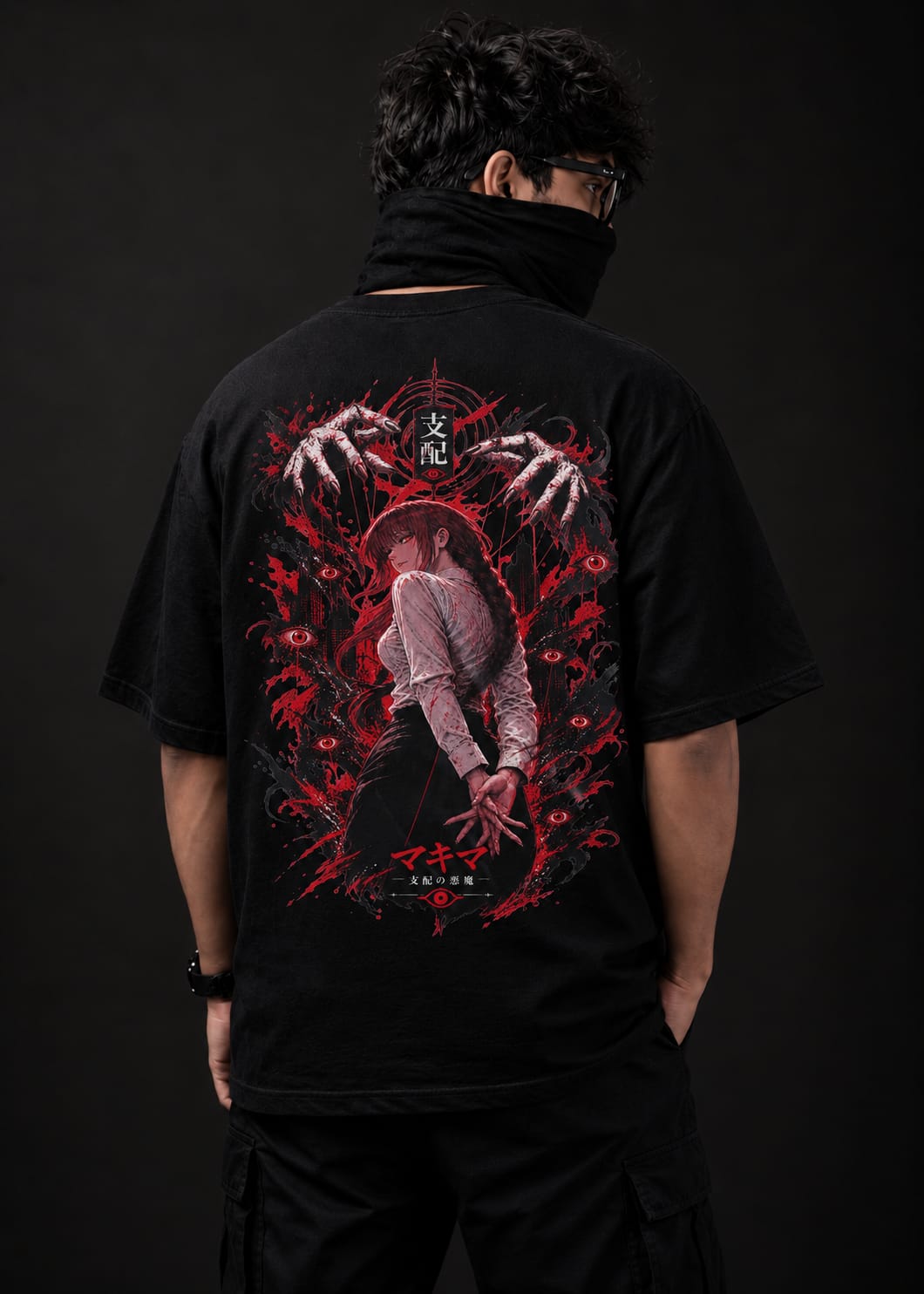
The three methods compared
| Method | How it works | Strengths | Weaknesses |
|---|---|---|---|
| Screen print | Ink pressed through stencils, one colour at a time | Very durable, vivid, sharp on dark fabric | Setup cost, less suited to one-offs |
| DTG (direct to garment) | Inkjet printed straight onto the fabric | Fine detail, good for small runs | Can fade faster, works best on light fabric |
| DTF (direct to film) | Printed on film, then heat-pressed onto fabric | Works on many fabrics, flexible | Quality varies, can crack or peel |
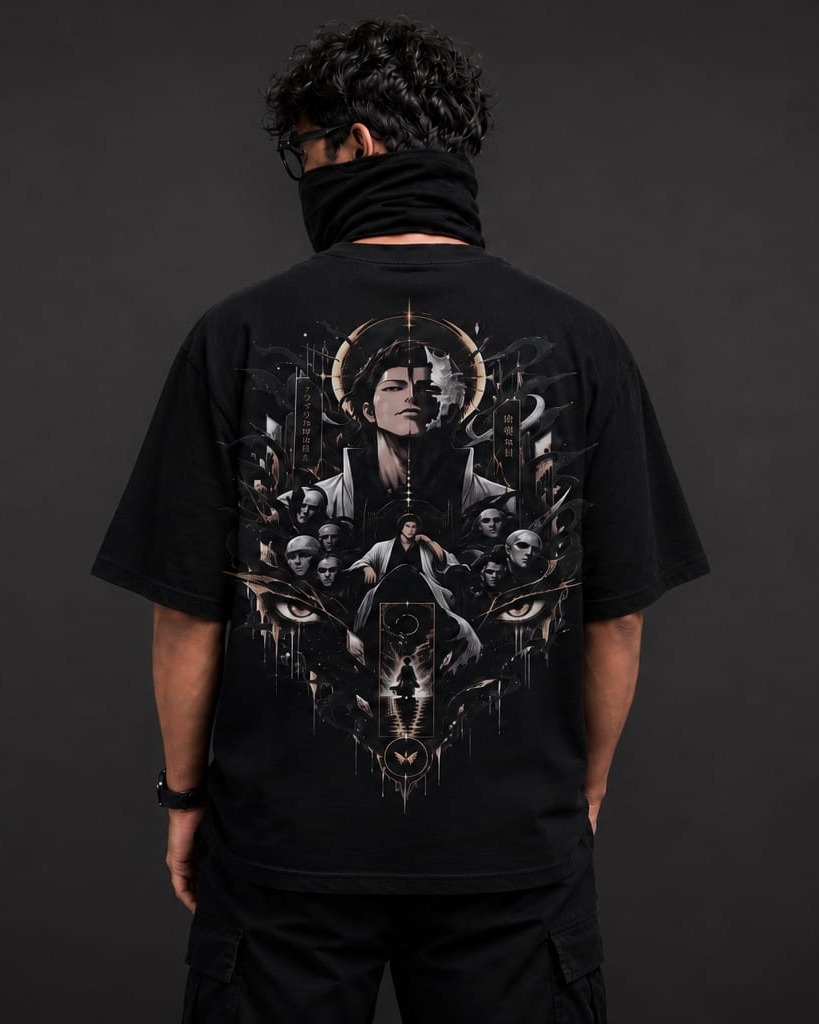
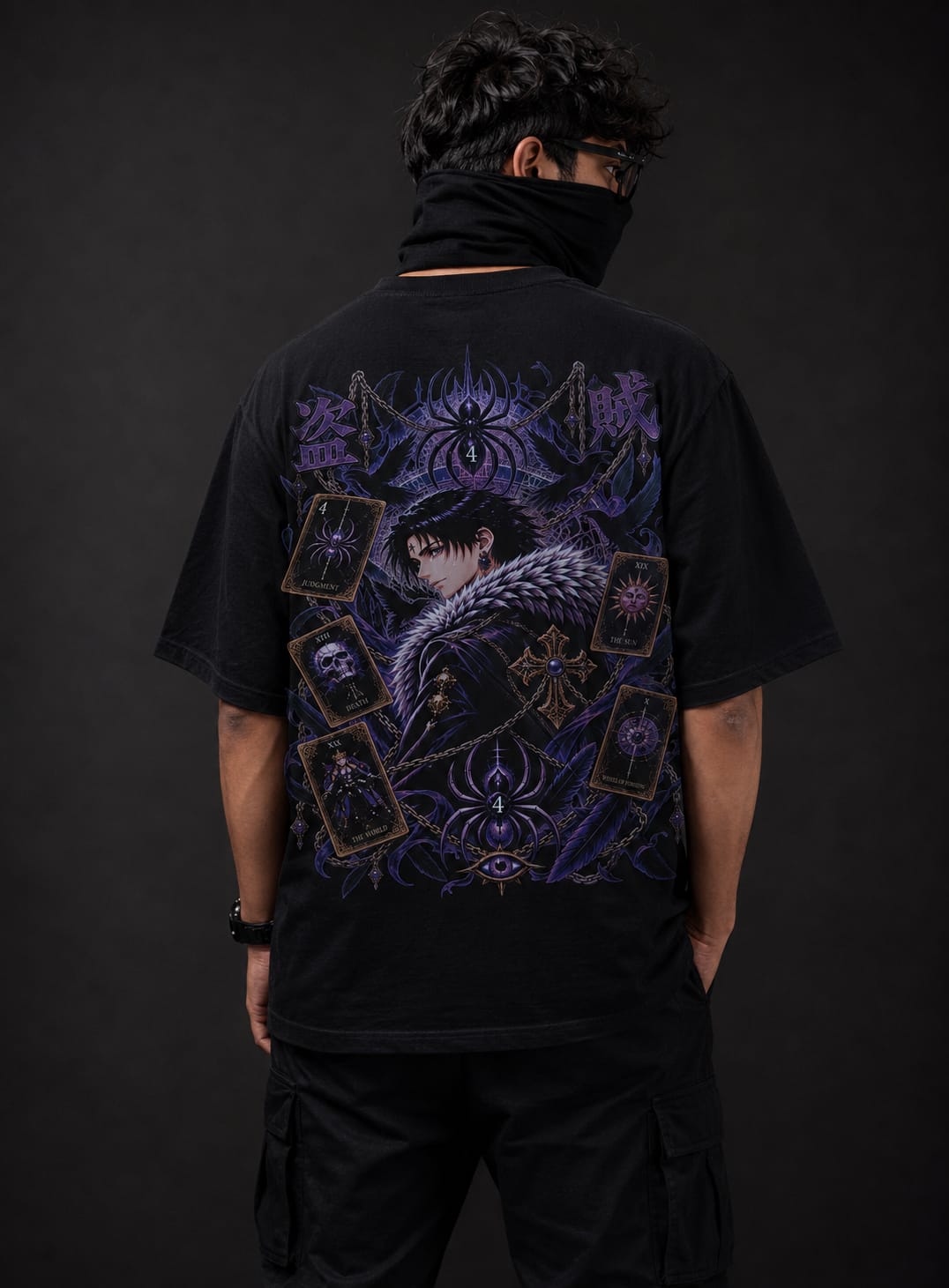
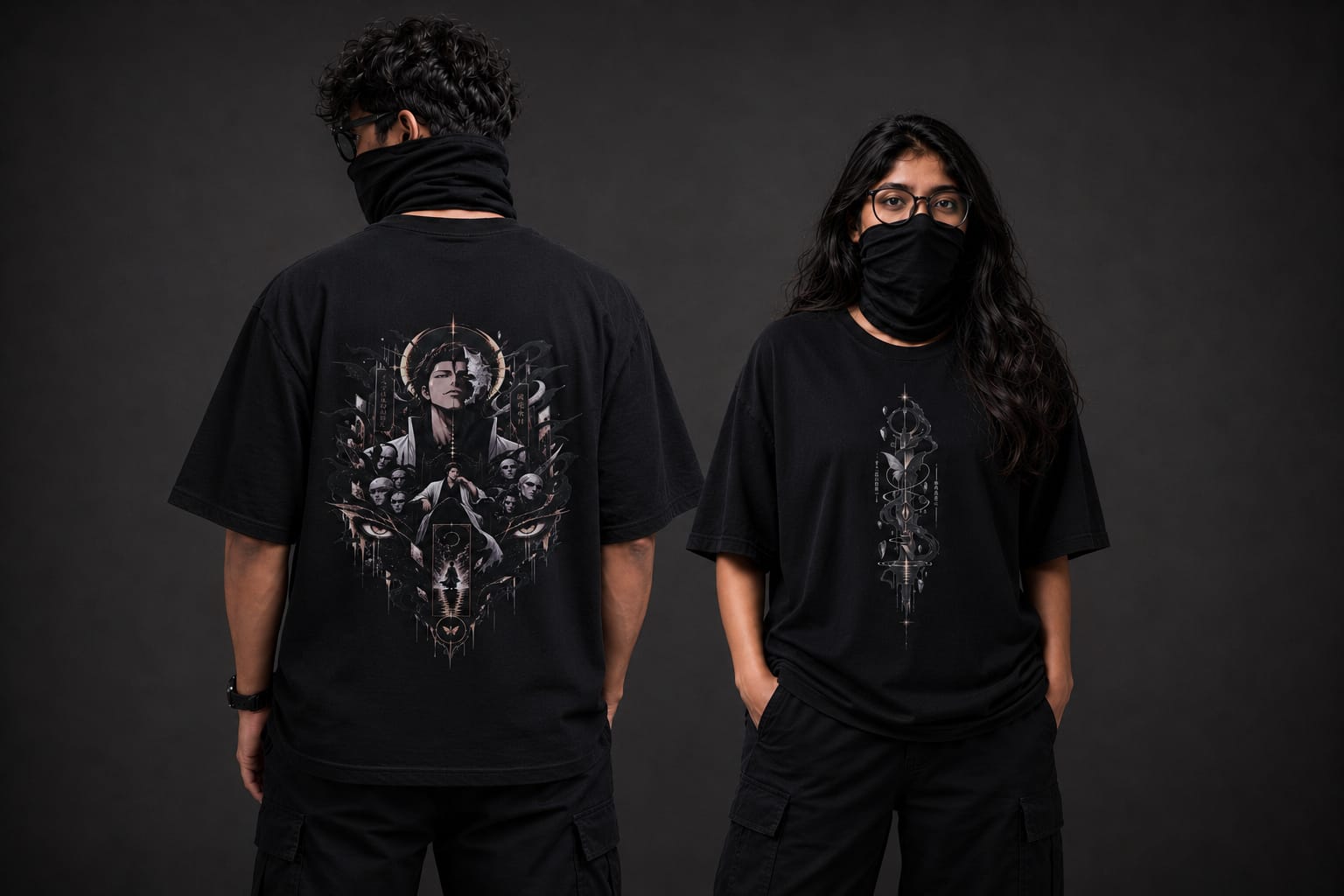
Actual durability depends on ink quality, curing and care. Zentoku lists high-density screen print on its Control Devil tee.
Which should you look for?
- For a tee you plan to wear for years, especially a dark one, screen print is the safest choice.
- For a one-off or very detailed photo print on a light tee, DTG can work well.
- For mixed fabrics or quick custom jobs, DTF is flexible, but check reviews for cracking.
Make any print last longer
Whatever the method, heat and friction are the enemies. Follow the routine in How to wash a graphic t-shirt: inside out, cold water, no tumble dryer. For the other things to check before buying, see the t-shirt quality checklist.